
Documenting the Oral History of the Yazidis
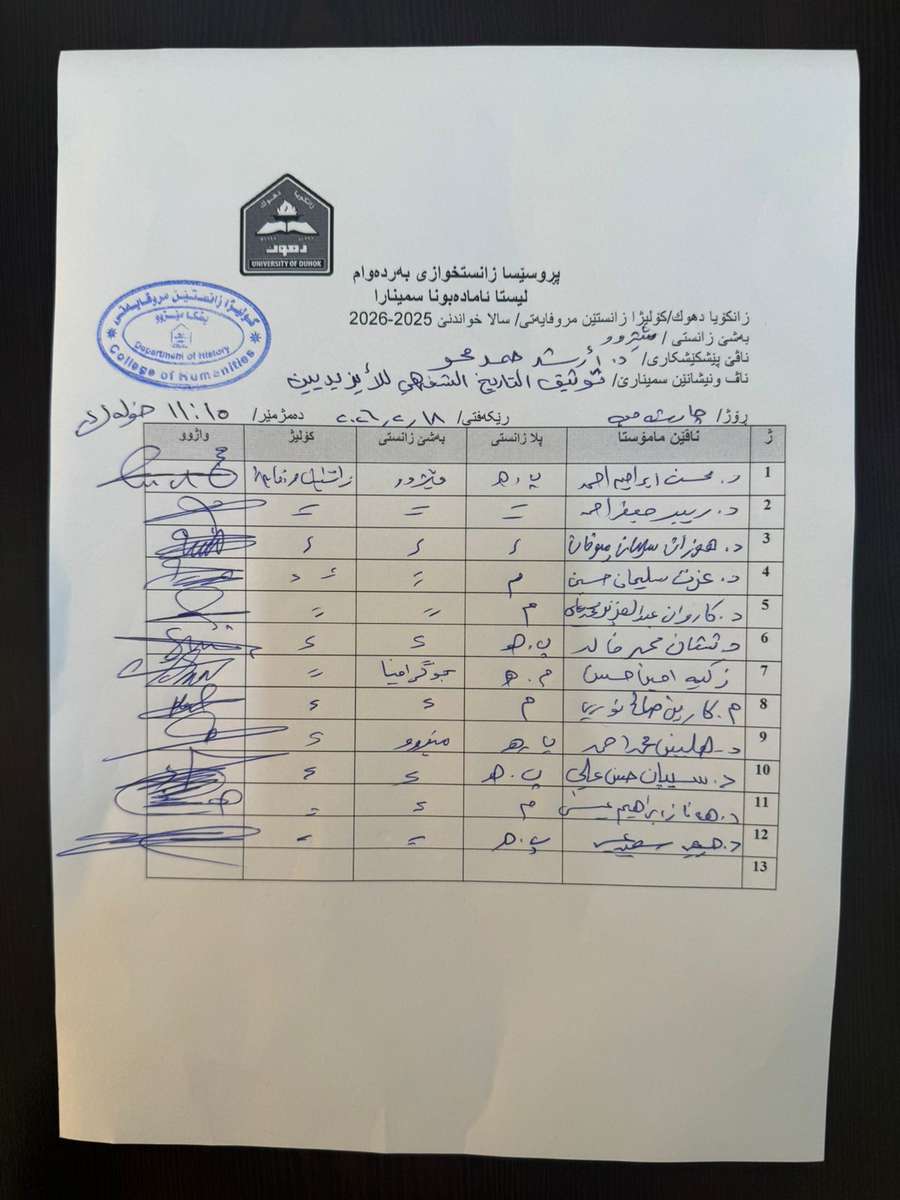
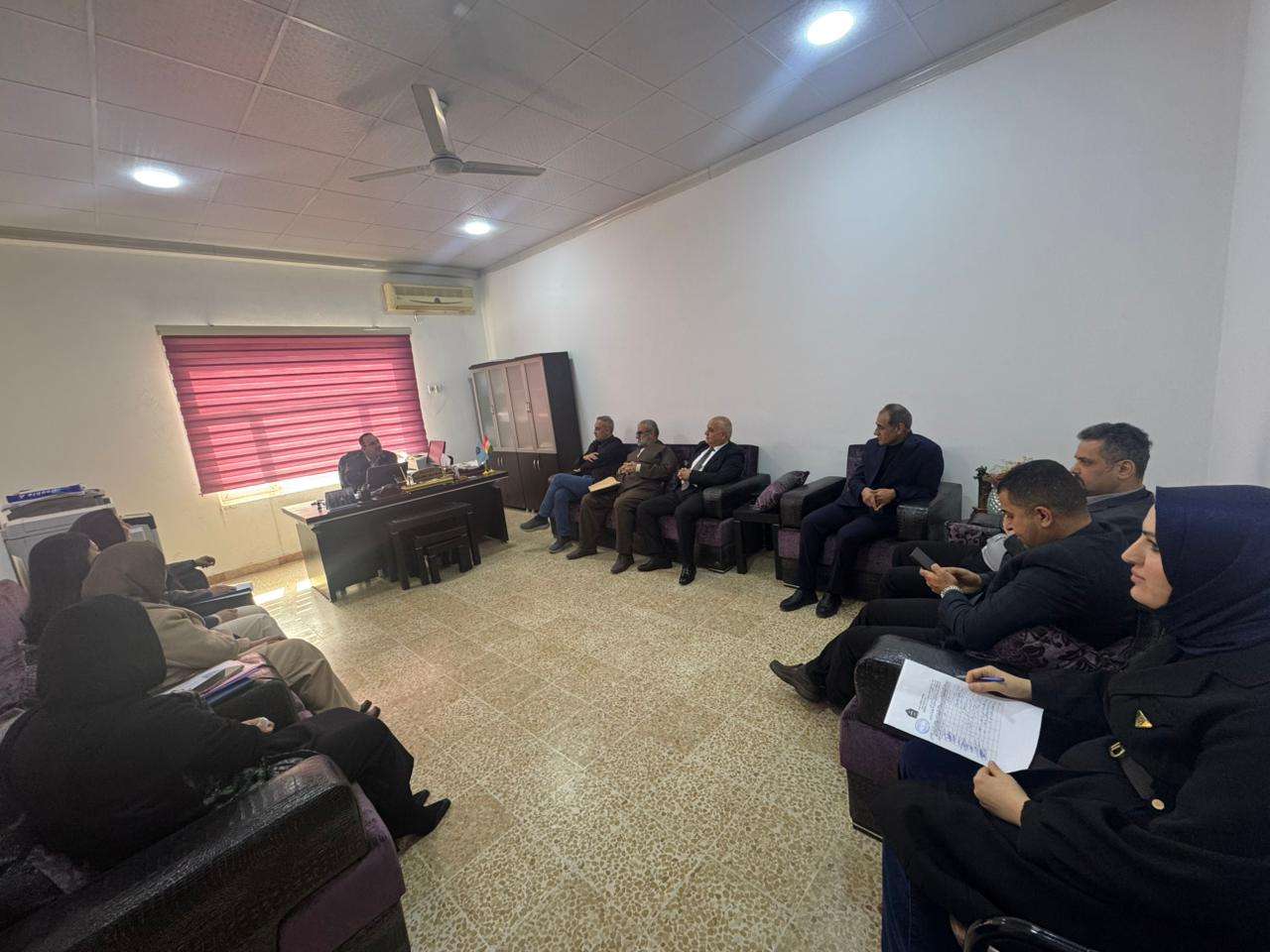




This research addresses the importance of oral history as one of the primary and essential sources for documenting the history of the Yazidi community. Much of its customs and religious rituals are still transmitted orally and have not yet found their way into written form. It also highlights the role of religious texts and traditional hymns in preserving Yazidi cultural and spiritual identity. Through these oral sources, knowledge, traditions, and beliefs are safeguarded—many of which were at risk of disappearance or distortion due to the complex political and social circumstances experienced by followers of this faith.
Oral history holds great significance in documenting events from the perspective of ordinary people, who are often overlooked in official written sources. Therefore, this type of history serves as a means of understanding major events from a different viewpoint that may not be reflected in conventional records. For the Yazidis, oral history represents a fundamental tool for preserving their religious and cultural identity, particularly in the face of attempts to erase or misrepresent their history. By maintaining orally transmitted religious sayings and texts, along with traditional hymns, their beliefs and practices are passed down from one generation to another, contributing to the survival and continuity of their culture despite the challenges they have faced throughout history.