
Erikson's Theory of Psychosocial Development





Erikson's Theory of Psychosocial Development
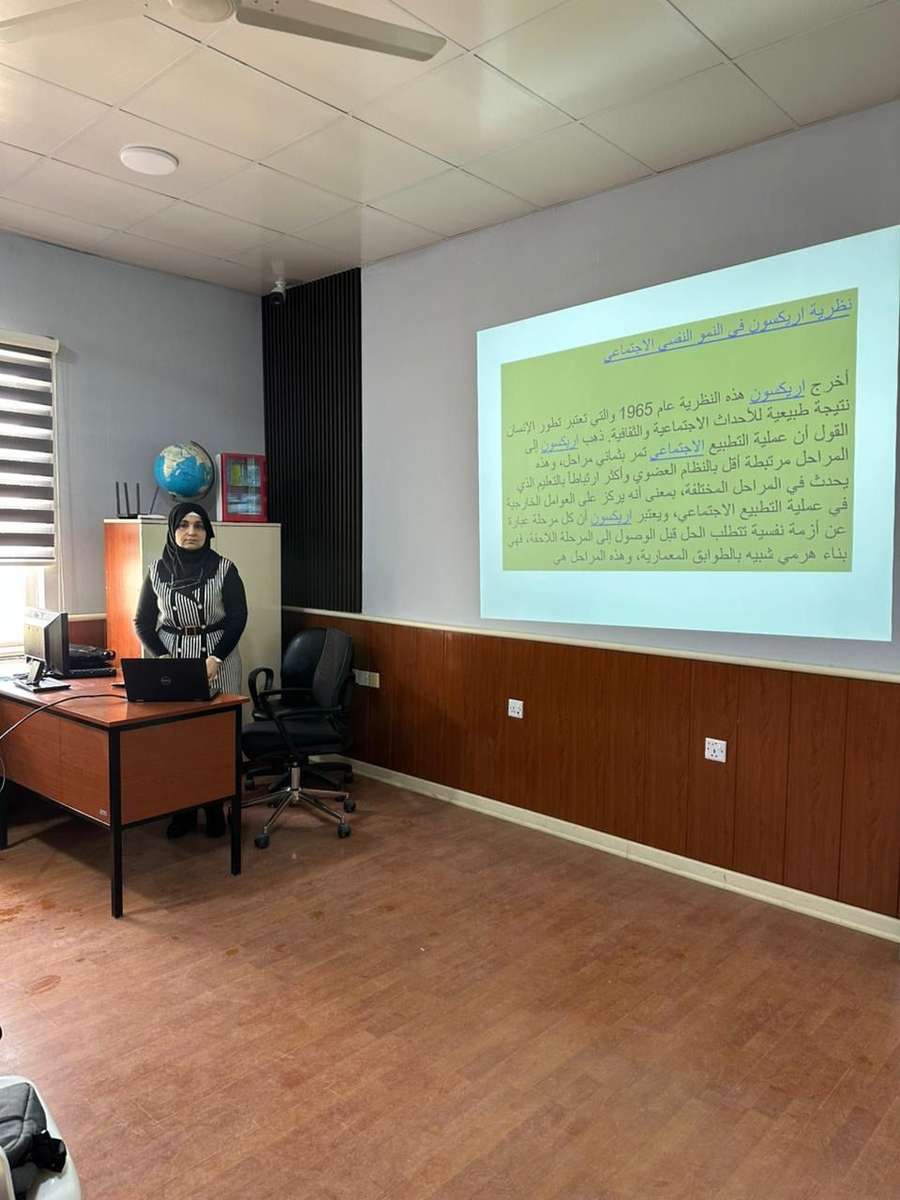
Erikson introduced this theory in 1965, considering human development a natural result of social and cultural events. He argued that the process of social adaptation passes through eight stages. These stages are less linked to the biological system and more connected to the learning that occurs at different levels. This means he focuses on external factors in the socialization process. Erikson considers each stage a "psychological crisis" that requires a resolution before moving to the next, forming a hierarchical structure similar to architectural floors.
The Eight Stages:
1. Trust vs. Mistrust (0–2 years) – Infancy.
2. Autonomy vs. Shame and Doubt (2–4 years) – Early Childhood.
3. Initiative vs. Guilt (4–6 years) – Middle Childhood.
4. Industry vs. Inferiority (6–12 years) – Late Childhood.
5. Identity vs. Role Confusion (12–18 years) – Adolescence.
6. Intimacy vs. Isolation (18–30 years) – Young Adulthood.
7. Generativity vs. Stagnation (30–50 years) – Adulthood/Maturity.
8. Ego Integrity vs. Despair (50–Death) – Old Age.