
Components of Personality
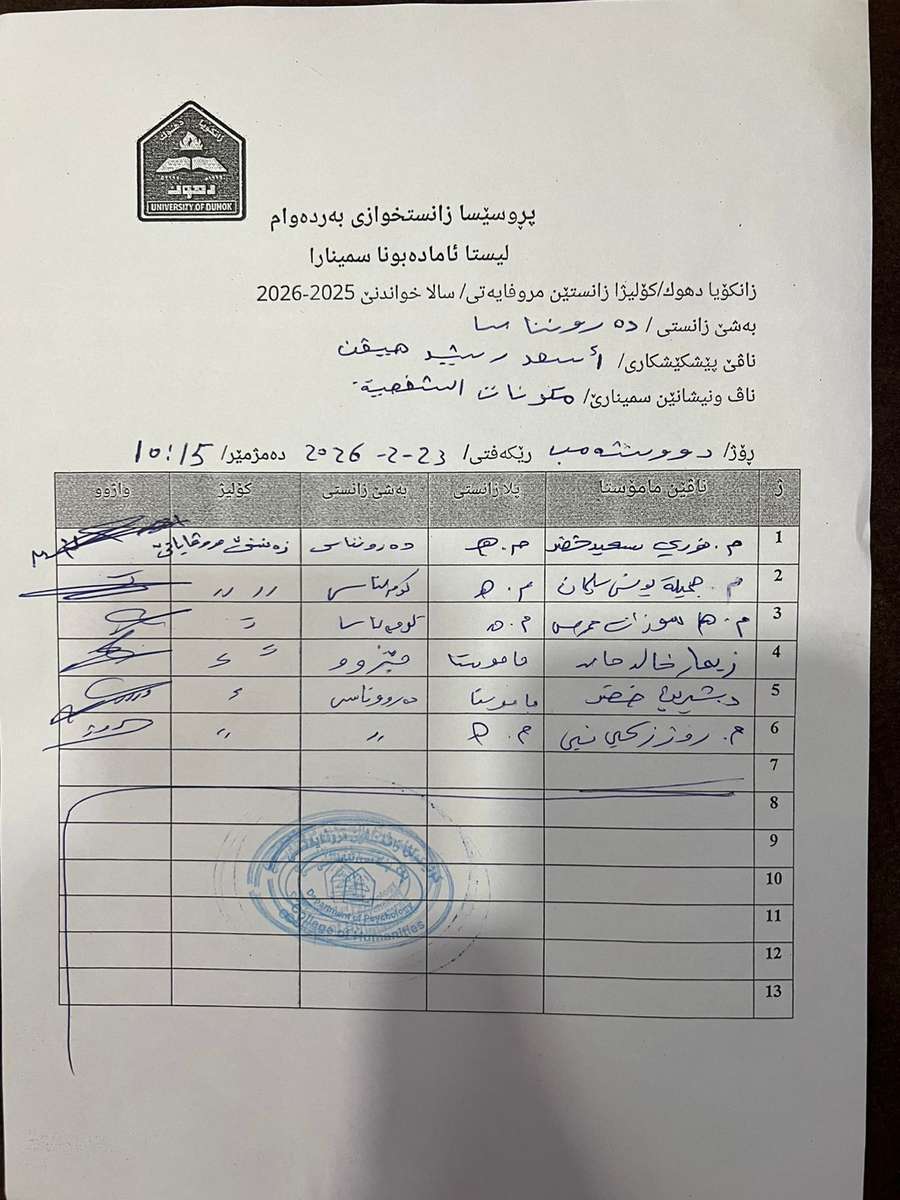
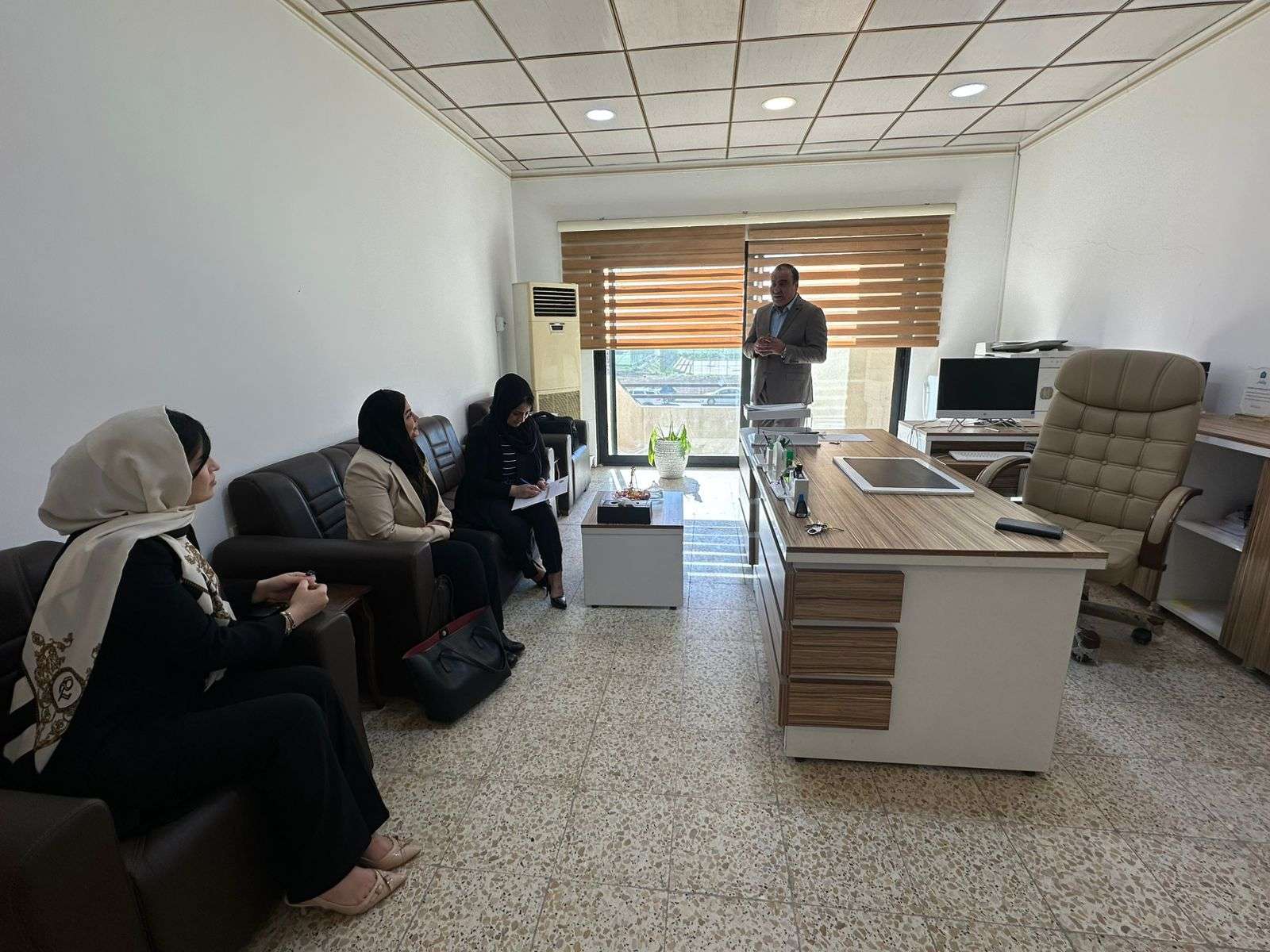


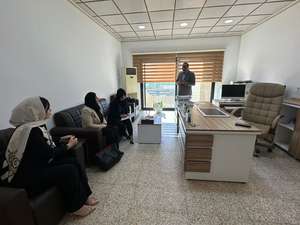

Seminar Summary: Components of Personality
Personality is considered one of the central concepts in psychology. It refers to the relatively organized and dynamic organization of traits and psychological characteristics that distinguish an individual and guide their behavior across different situations. Although theoretical perspectives on the components of personality vary according to psychological schools, most agree that personality is a multidimensional construct composed of interrelated and integrated elements.
First: The Cognitive Component
This includes mental processes such as perception, thinking, beliefs, expectations, and mental representations of the self and others. This component contributes to understanding how individuals perceive themselves and the world around them, and it influences decision-making styles and the interpretation of events.
Second: The Emotional (Affective) Component
This involves feelings, emotions, patterns of emotional responses, and their stability or fluctuation. It reflects the individual’s emotional balance and their ability to regulate emotions and cope with stress.
Third: The Behavioral Component
This is represented by the observable patterns of behavior displayed by an individual in various situations. Behavior is considered the practical expression of the cognitive and emotional aspects, as these components interact to produce responses that can be observed and measured.
Fourth: The Motivational Component
This includes needs, motives, values, and goals that drive and direct behavior toward specific purposes. This dimension helps explain the persistence of behavior and an individual’s determination to achieve their goals.
In light of trait theories—particularly the Five-Factor Model (Extraversion, Neuroticism, Agreeableness, Conscientiousness, and Openness to Experience)—personality is understood as a set of relatively stable traits that differentiate individuals from one another. Psychoanalytic, humanistic, and social–cognitive theories also emphasize other dimensions such as unconscious structures, self-actualization, self-efficacy, and the reciprocal interaction between the individual and the environment.
Accordingly, the components of personality do not operate independently; rather, they function within an integrated system in which cognitive, emotional, behavioral, and motivational aspects interact to form a relatively unique pattern of thinking, feeling, and behavior that distinguishes each individual from others.