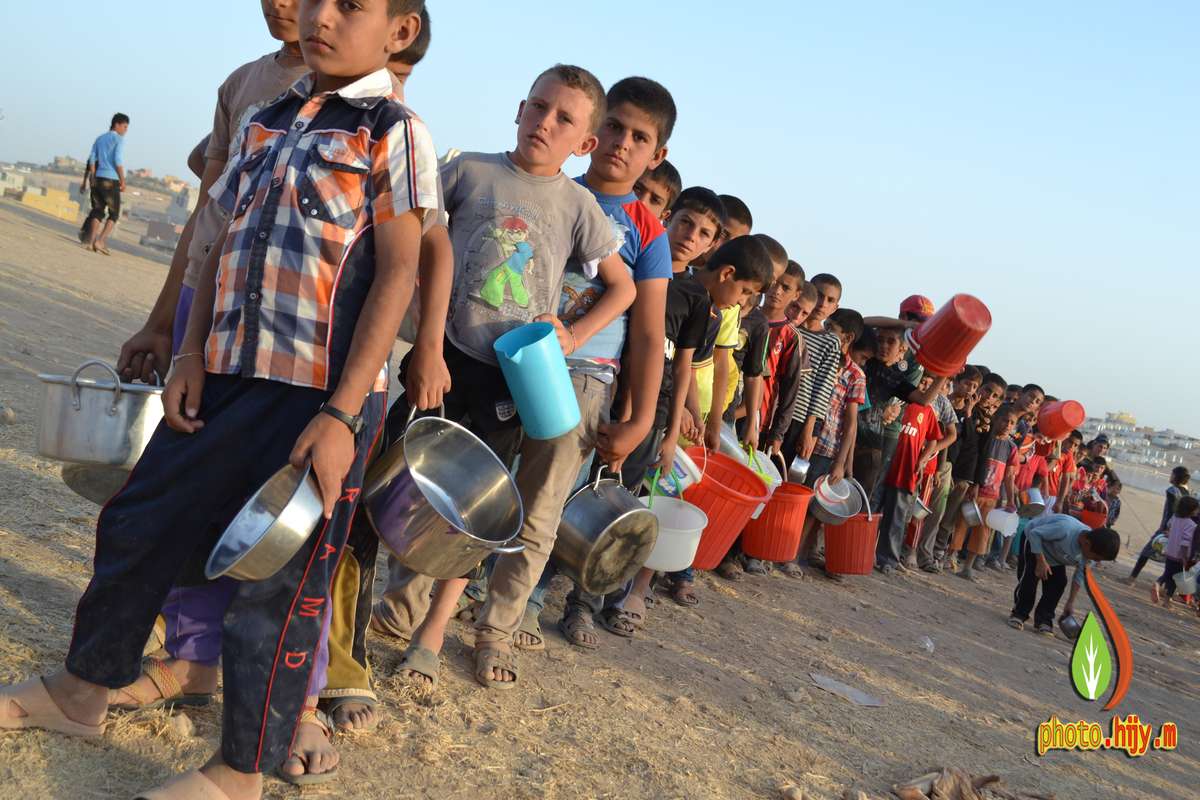
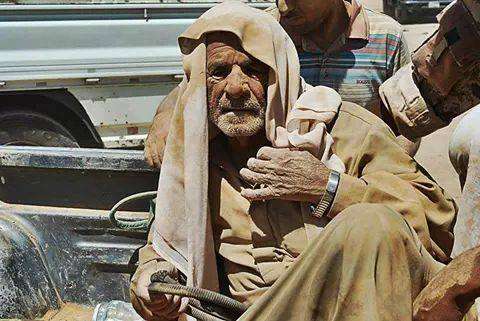
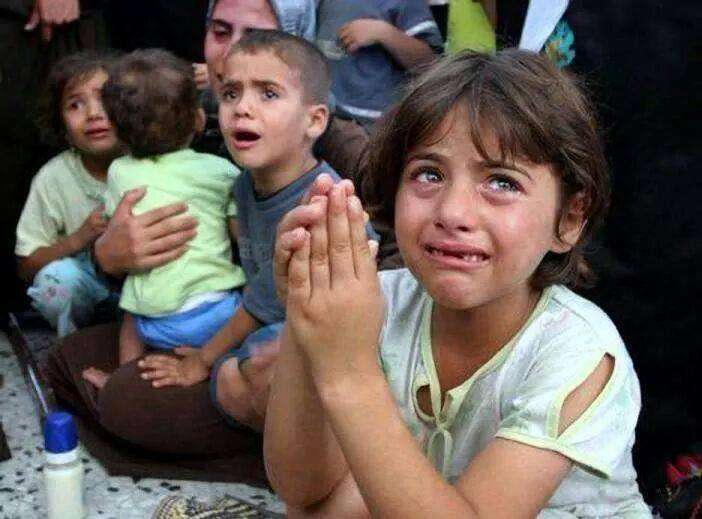
The crime of genocide remains engraved in the collective memory of nations, carrying with it the painful stories of the past whose effects persist for generations. Revisiting the past can help uncover the causes of genocide, understand its dimensions, and work toward preventing its recurrence in the future. Collective memory plays a crucial and enduring role in preserving identity, history, and heritage. Today, the field of history is witnessing a period of renewal through growing attention to this subject. Recently, several scholars have reemphasized the importance of oral history and its essential role in documenting and preserving human memory.
The conference also aspires to be an interdisciplinary intellectual forum bringing together researchers and academics from diverse fields of knowledge — including History, Sociology, International law, Psychology, Anthropology, and Peace and Conflict studies — alongside survivors of the genocide, representatives of civil society, human rights defenders, and local and international policymakers.
The core vision of the conference is reflected in the following:
Documenting the crimes: Establishing a well-documented and accurate historical record based on live testimonies, legal investigations, and field data, thereby enhancing global awareness of the scope and depth of the tragedy.
Holding perpetrators accountable: Supporting local and international judicial efforts to prosecute those responsible for genocide and to ensure accountability through legal insights, evidence, and testimonies that promote justice.
Reviving collective memory: Resisting oblivion and marginalization by preserving the narratives of victims and integrating them into public consciousness, while reinforcing the Ezidi narrative as an integral part of Kurdish, Iraqi, and human history.
Transitional justice and recovery: Opening dialogue on mechanisms for redress and healing — psychological and communal — through programs of psychosocial support, social reintegration, trust rebuilding, and the material and symbolic reconstruction of Ezidi society.
Shaping future policies: Facilitating dialogue among policymakers, human rights organizations, and the academic community to develop sustainable policies for minority protection and the prevention of future atrocities, both nationally and internationally.