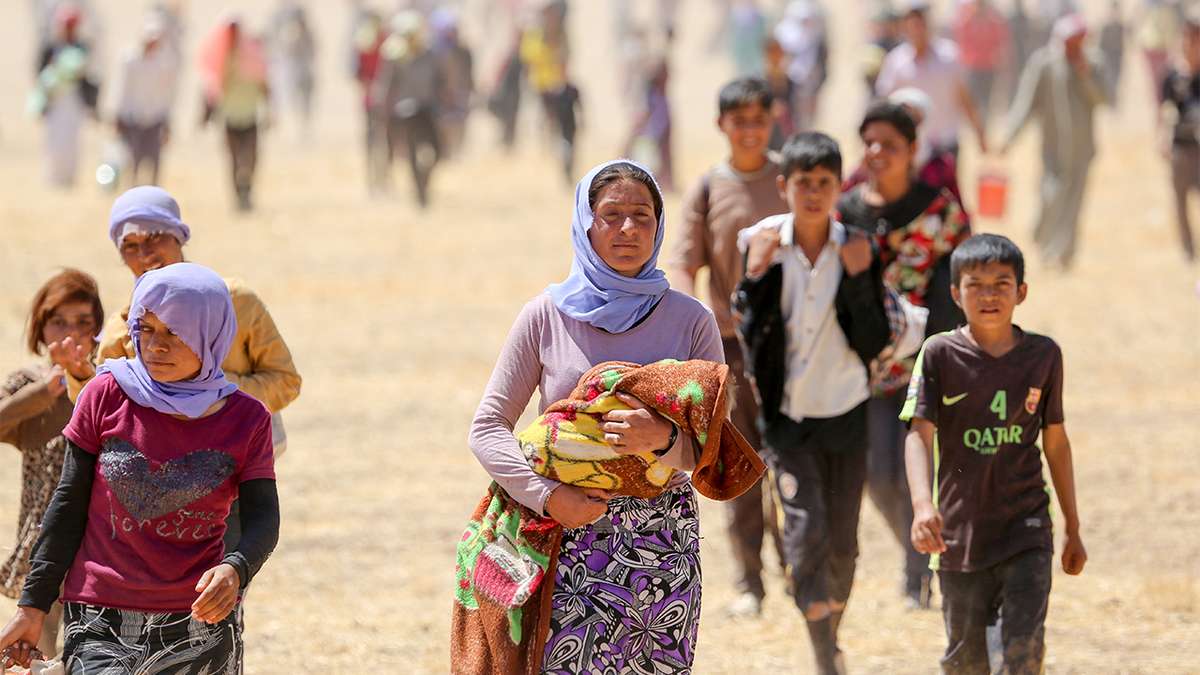
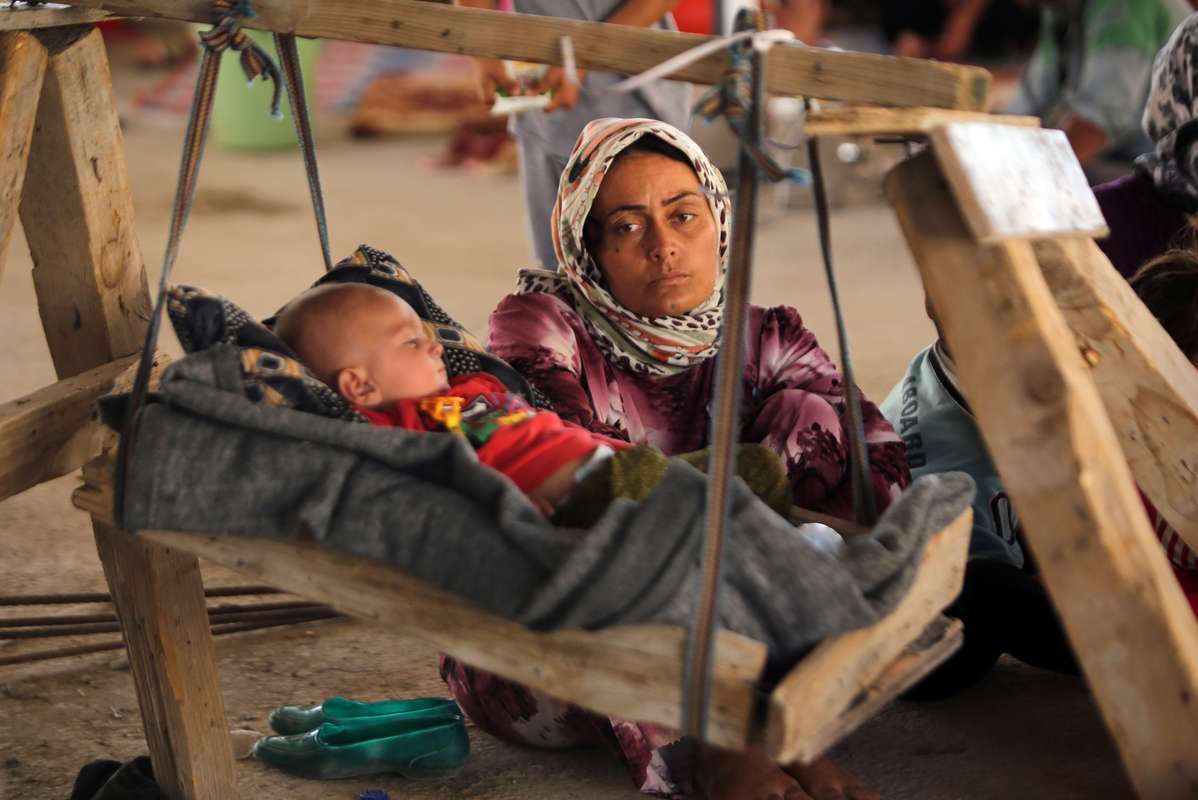
تحت رعاية معالي السيد مسرور البارزاني، رئيس وزراء حكومة إقليم كردستان، تُنظّم جامعة دهوك، من خلال كلية العلوم الإنسانية ومركز بيشكجي للدراسات الإنسانية، وبالتعاون مع مركز لالش الثقافي والاجتماعي، المؤتمر العلمي الدولي الرابع بعنوان "جينوسايد الإيزيديين 2014 بين الذاكرة والعدالة". يُمثّل المؤتمر منصةً علميةً وإنسانيةً شاملةً مُخصّصةً لتوثيق وتحليل وفهم الإبادة الجماعية التي ارتكبها ما يُسمى بتنظيم داعش ضدّ المجتمع الإيزيدي عام 2014. ويهدف إلى استكشاف الأبعاد التاريخية والاجتماعية والثقافية والنفسية والقانونية لهذه المأساة، مع تعزيز العدالة والتعافي والحفاظ على الذاكرة الجماعية. ومن خلال جمع الباحثين والناجين والمدافعين عن حقوق الإنسان وصانعي السياسات، يُؤكّد هذا المؤتمر التزام جامعة دهوك المُستمرّ بتطوير البحث الأكاديمي، وتعزيز العدالة الاجتماعية، وحماية التراث الثقافي والإنساني.
(GEMJ) جينوسايد الإيزيديين 2014 بين الذاكرة والعدالة
تحت رعاية معالي السيد مسرور البارزاني، رئيس وزراء حكومة إقليم كردستان، تُنظّم جامعة دهوك، من خلال كلية العلوم الإنسانية ومركز بيشكجي للدراسات الإنسانية، وبالتعاون مع مركز لالش الثقافي والاجتماعي، المؤتمر العلمي الدولي الرابع بعنوان "جينوسايد الإيزيديين 2014 بين الذاكرة والعدالة". يُمثّل المؤتمر منصةً علميةً وإنسانيةً شاملةً مُخصّصةً لتوثيق وتحليل وفهم الإبادة الجماعية التي ارتكبها ما يُسمى بتنظيم داعش ضدّ المجتمع الإيزيدي عام 2014. ويهدف إلى استكشاف الأبعاد التاريخية والاجتماعية والثقافية والنفسية والقانونية لهذه المأساة، مع تعزيز العدالة والتعافي والحفاظ على الذاكرة الجماعية. ومن خلال جمع الباحثين والناجين والمدافعين عن حقوق الإنسان وصانعي السياسات، يُؤكّد هذا المؤتمر التزام جامعة دهوك المُستمرّ بتطوير البحث الأكاديمي، وتعزيز العدالة الاجتماعية، وحماية التراث الثقافي والإنساني.
التاريخ: 29- 30 أبريل 2026
المكان: مركز المؤتمرات، جامعة دهوك، شارع زاخو 38، 1006AJ.
لغات المؤتمر: الكردية - العربية - الإنجليزية
ديباجة المؤتمر
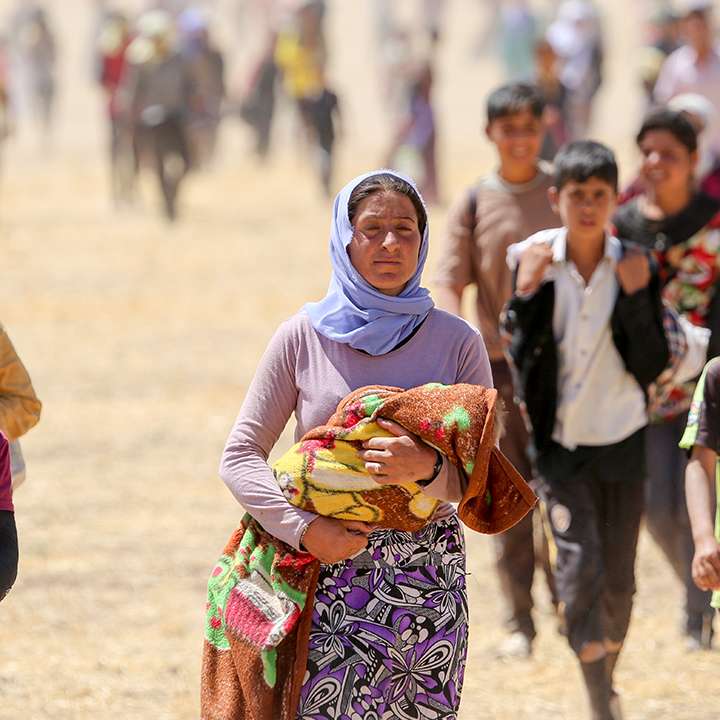
The crime of genocide remains engraved in the collective memory of nations, carrying with it the painful stories of the past whose effects persist for generations. Revisiting the past can help uncover the causes of genocide, understand its dimensions, and work toward preventing its recurrence in the future. Collective memory plays a crucial and enduring role in preserving identity, history, and heritage. Today, the field of history is witnessing a period of renewal through growing attention to this subject. Recently, several scholars have reemphasized the importance of oral history and its essential role in documenting and preserving human memory.
Individual and collective memories provide historians with invaluable insights into recent events, enabling them to broaden the scope of available sources beyond official written archives. This conference highlights the vital role of documenting events in preserving and understanding human memory. Relying solely on written archives—often produced by state institutions or elites—tends to silence the voice of those most affected by such atrocities. This issue is particularly troubling when studying wars, massacres, and genocides committed against the Ezidis over past centuries. State archives usually contain the testimonies of perpetrators of violence rather than those of the victims and survivors. To achieve a diverse and inclusive understanding of these tragic events, historians must adopt memory documentation as a means of accessing living testimonies.
This conference seeks to serve as a comprehensive scientific, humanitarian, and human rights platform dedicated to documenting the genocide committed against the Ezidis in 2014 by the so-called ISIS organization. It aims to present an in-depth and holistic analysis of this crime in its historical, social, cultural, and psychological dimensions — not merely as a tragic event of the past, but as an open wound with ongoing consequences for individual and collective identity, for transitional justice, and for the historical memory of the Ezidi, Iraqis, and broader human communities.
The conference also aspires to be an interdisciplinary intellectual forum bringing together researchers and academics from diverse fields of knowledge — including History, Sociology, International law, Psychology, Anthropology, and Peace and Conflict studies — alongside survivors of the genocide, representatives of civil society, human rights defenders, and local and international policymakers.
The core vision of the conference is reflected in the following:
Documenting the crimes: Establishing a well-documented and accurate historical record based on live testimonies, legal investigations, and field data, thereby enhancing global awareness of the scope and depth of the tragedy.
Holding perpetrators accountable: Supporting local and international judicial efforts to prosecute those responsible for genocide and to ensure accountability through legal insights, evidence, and testimonies that promote justice.
Reviving collective memory: Resisting oblivion and marginalization by preserving the narratives of victims and integrating them into public consciousness, while reinforcing the Ezidi narrative as an integral part of Kurdish, Iraqi, and human history.
Transitional justice and recovery: Opening dialogue on mechanisms for redress and healing — psychological and communal — through programs of psychosocial support, social reintegration, trust rebuilding, and the material and symbolic reconstruction of Ezidi society.
Shaping future policies: Facilitating dialogue among policymakers, human rights organizations, and the academic community to develop sustainable policies for minority protection and the prevention of future atrocities, both nationally and internationally.
الأهداف
. 1توثيق الجينوسايد علميًا من خال بحوث أكاديمية وشهادات مباشرة تُسلّط الضوء عى الجرائم
المرتكبة ضد الإيزيدين من قبل تنظيم داعش.
. 2الإفادة من تجارب الدول المتقدمة في مجال التوثيق وحفظ الوثائق.
. 3تعزيز الاتجاه الأكاديمي نحو توظيف التكنولوجيا الحديثة في حفظ الذاكرة.
. 4ربط الباحثن والناجن من خال إنشاء شبكات بحثية وإنسانية تُعزز من صوت الضحايا وتدعم
العمل المشرك في ميادين العدالة، التوثيق، والتعافي.
. 5حماية وصون الراث الثقافي والديني الإيزيدي في مواجهة محاولات الطمس والاقتاع، عر إبراز دور
الفن، اللغة، والدين في تعزيز الهوية بعد الكارثة.
. 6تحليل الآثار النفسية والاجتماعية عى الناجن، لا سيما النساء والأطفال، ومناقشة آليات الدعم
والتعافي الفردي والجماعي.
. 7مناقشة الأبعاد القانونية والحقوقية للإبادة، وتسليط الضوء عى سبل المحاسبة المحلية والدولية،
والتحديات أمام العدالة الانتقالية.
. 8رفع الوعي المحي والدولي بحجم الكارثة التي لحقت بالإيزيدية، والتأكيد عى أهمية مناهضة
جريمة الإبادة الجماعية )الجينوسايد( ومنع تكرارها ضد أي جماعة مستقبلاً.