
Agricultural Colonialism
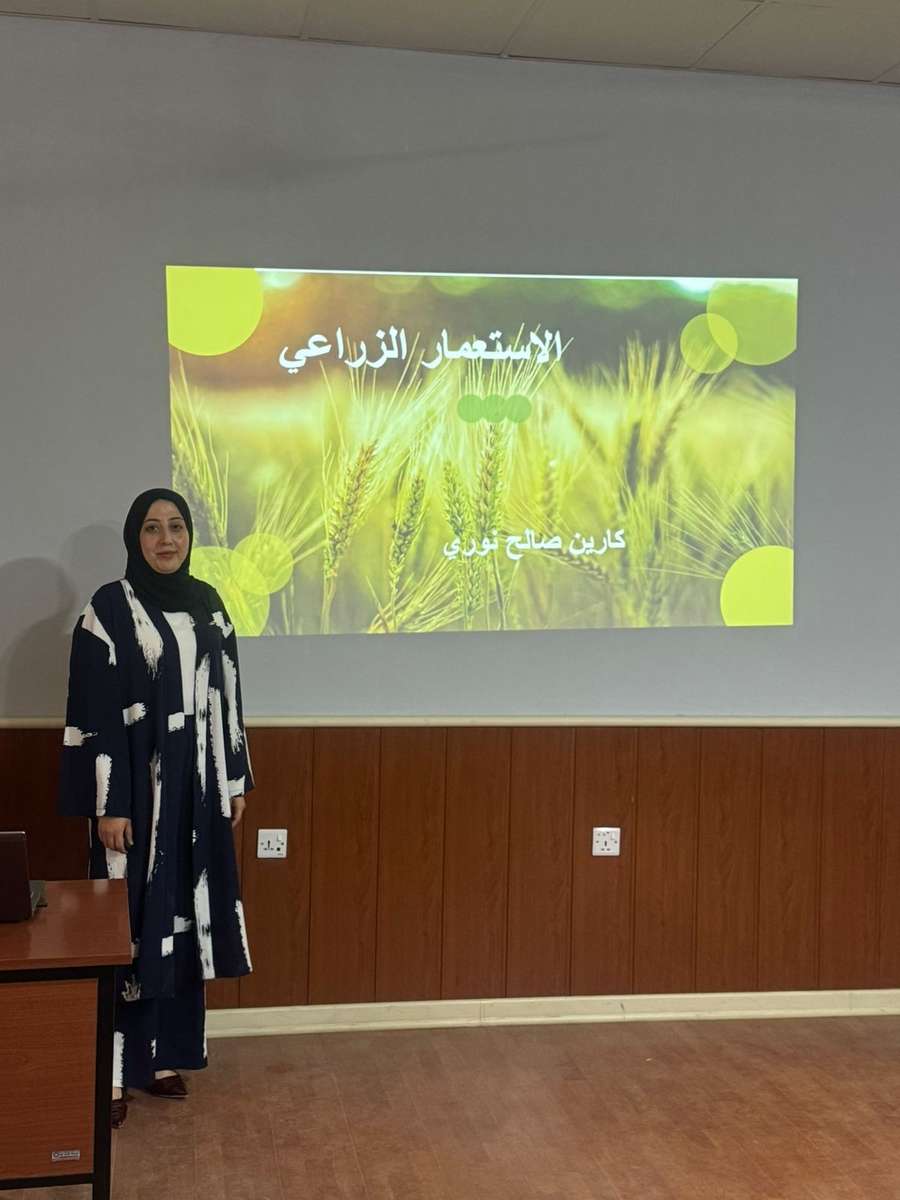



Agricultural Colonialism is a term used to describe the control of vast areas of farmland in one country (often developing or low-income nations) by foreign governments or private corporations. The primary goal is to exploit the land to produce crops for export, often providing little to no real benefit to the local population or the indigenous owners of the land.
This concept is generally divided into two main forms:
1. Traditional (Historical) Agricultural Colonialism
This was directly linked to the major colonial movements (such as British and French rule in Africa and Asia):
• System Transformation: Colonizers forced local farmers to abandon their subsistence crops (like wheat or corn) and switch to "Cash Crops" needed by European factories, such as cotton, rubber, tea, and coffee.
• Forced Labor: Systems relied on cheap or forced labor to work on massive plantations owned by foreigners.
• Dependency: This made colonized nations dependent on food imports because their own fertile land was dedicated to serving the economy of the "Mother Country."
2. Modern Agricultural Colonialism (Land Grabbing)
This is the contemporary form, exemplified by cases like the "Daewoo Project" in Madagascar. Its key characteristics include:
• Long-term Leases: Leasing or buying millions of hectares for periods of up to 99 years at extremely low prices.
• Food Security for Others: Wealthy nations that lack arable land or water (such as some East Asian or Gulf countries) invest in resource-rich but economically poor countries (like Sudan, Ethiopia, or Madagascar) to secure food for their own citizens.
• Total Export of Yield: Almost the entire harvest is shipped directly to the investing country, even while the local population may be suffering from food insecurity or famine.
Why is this a concern today?
Unlike historical colonialism, which used military force, modern Land Grabbing is often done through legal contracts and "Foreign Direct Investment" (FDI). However, the result is often the same:
1. Water Depletion: Foreign companies essentially "export" the host country's water by using it for thirsty crops.
2. Displacement: Local farmers are often pushed off their ancestral lands.
3. Ecological Damage: Large-scale industrial farming can lead to soil exhaustion and loss of local biodiversity.
Summary: While it is marketed as "economic development," agricultural colonialism often prioritizes global profits and foreign food security over the basic rights and survival of the local people.