
When the mountains speak





A Reading of Natural and Climatic Change Indicators
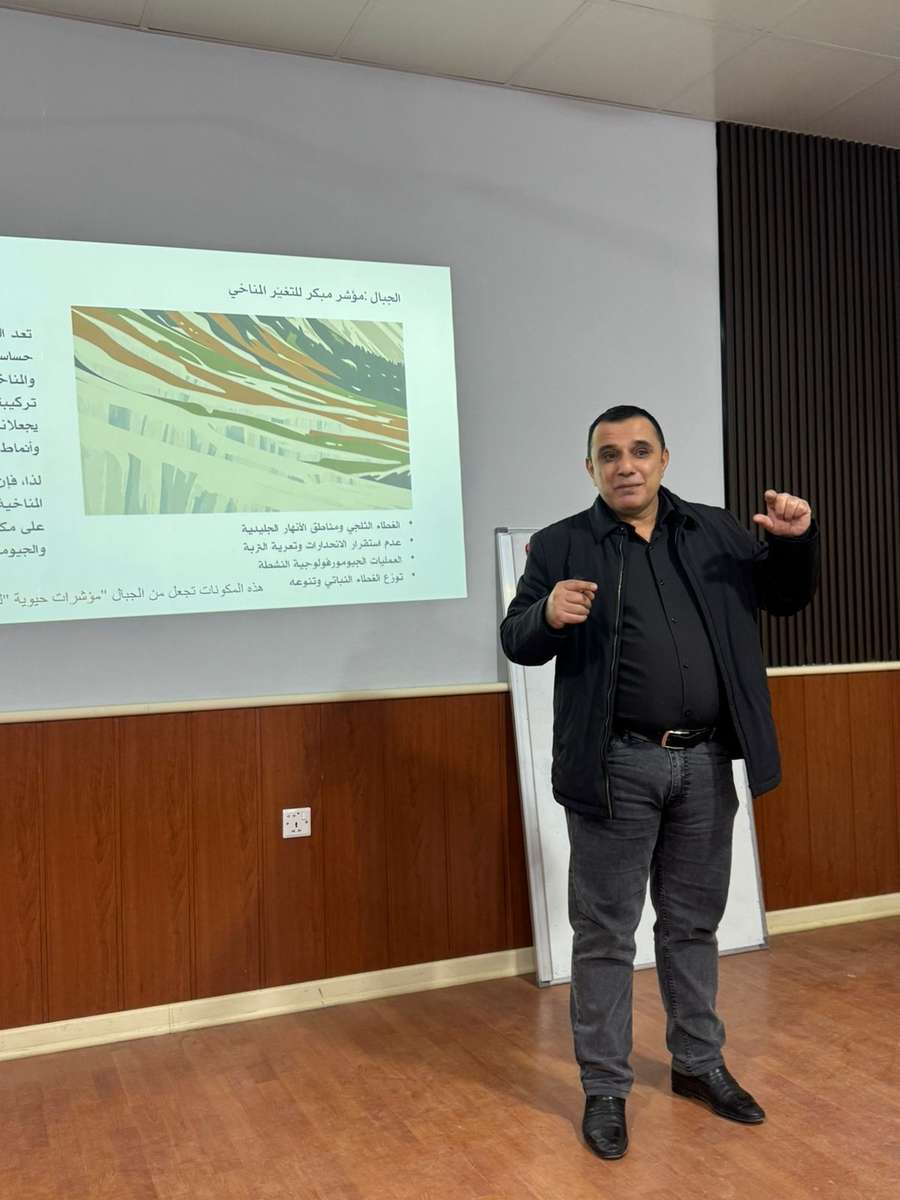
Mountains: An Early Warning System for Climate Change
• Snow Cover and Glacial Regions: Monitoring the recession of permanent ice.
• Slope Instability and Soil Erosion: Increased vulnerability of mountain terrains.
• Active Geomorphological Processes: Rapid changes in the physical landscape.
• Vegetation Distribution and Diversity: Shifts in plant life patterns.
Mountain systems are among the most sensitive environments to environmental and climatic shifts on Earth. Their unique composition and towering altitudes make them exceptionally vulnerable to fluctuations in temperature and precipitation patterns. Consequently, any slight shift in climatic conditions is reflected directly and rapidly in their biological and geomorphological components.
These elements transform mountains into "bio-indicators" for monitoring the health of our planet.
________________________________________
Understanding the "Language of Mountains"
Mountains do not speak with audible voices, but they "talk" through a series of natural phenomena that reflect climatic shifts. These phenomena represent clear indicators that scientists can read and analyze to understand the impact of climate change:
1. Glacial Retreat: The melting of glaciers and permanent snow cover.
2. Shifting Melt Seasons: Changes in the timing (earlier or later) of freeze-thaw cycles.
3. Slope Instability: An increase in rockfalls, landslides, and mudflows.
4. Vegetation Shifts: The migration of plant zones to higher altitudes as temperatures rise.