
The Theory of Imbalanced Urbanization: Understanding Uneven Urban Growth
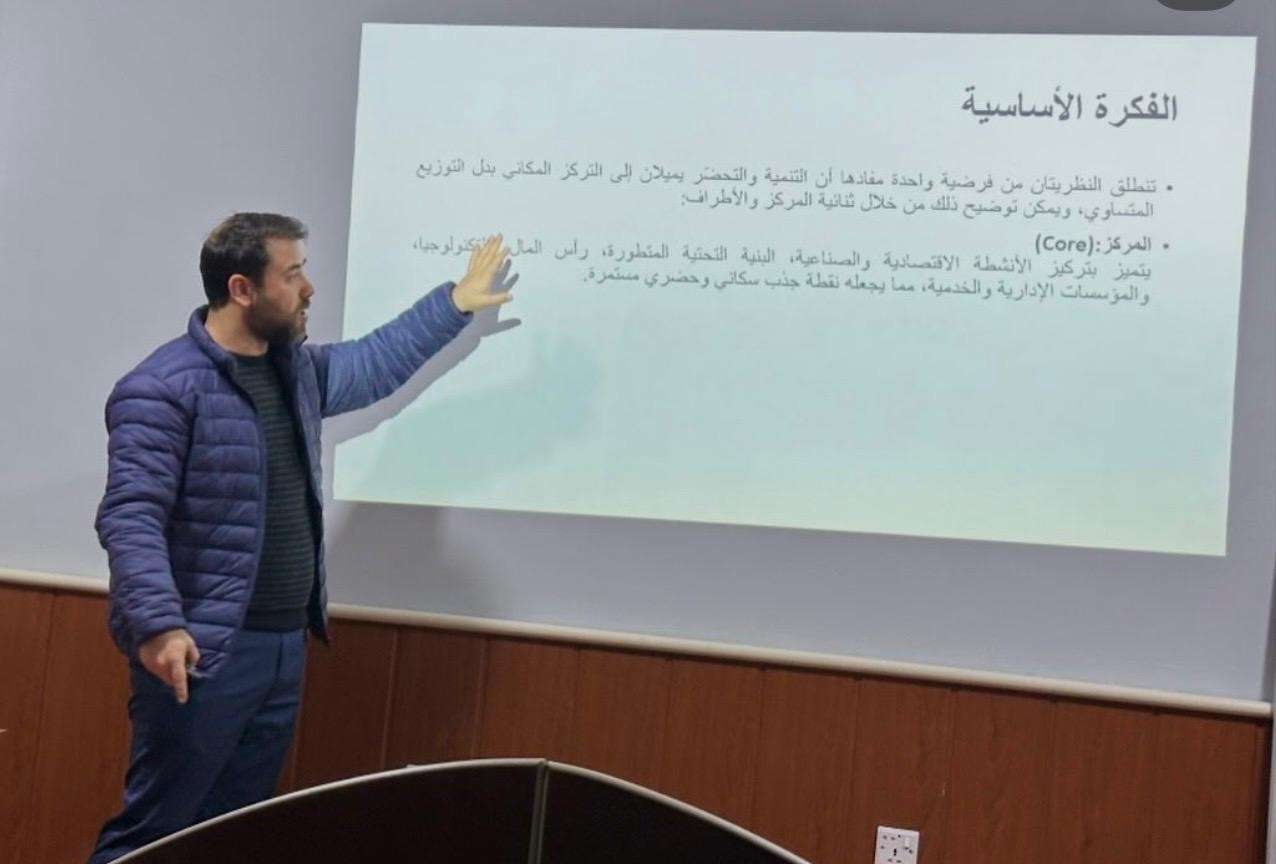




The Theory of Uneven Urbanization explains that urban growth does not occur equally among cities and regions, but rather becomes concentrated in certain urban centers that possess capital, infrastructure, and economic opportunities, while other areas remain underdeveloped or marginalized. This concentration attracts population and investment toward major cities, leading to rapid urban expansion, whereas peripheral regions suffer from weak services and limited employment opportunities. As a result, clear disparities emerge in levels of development and quality of life between core and peripheral areas, deepening spatial inequality within the state.