
Tobler's First Law of Geography

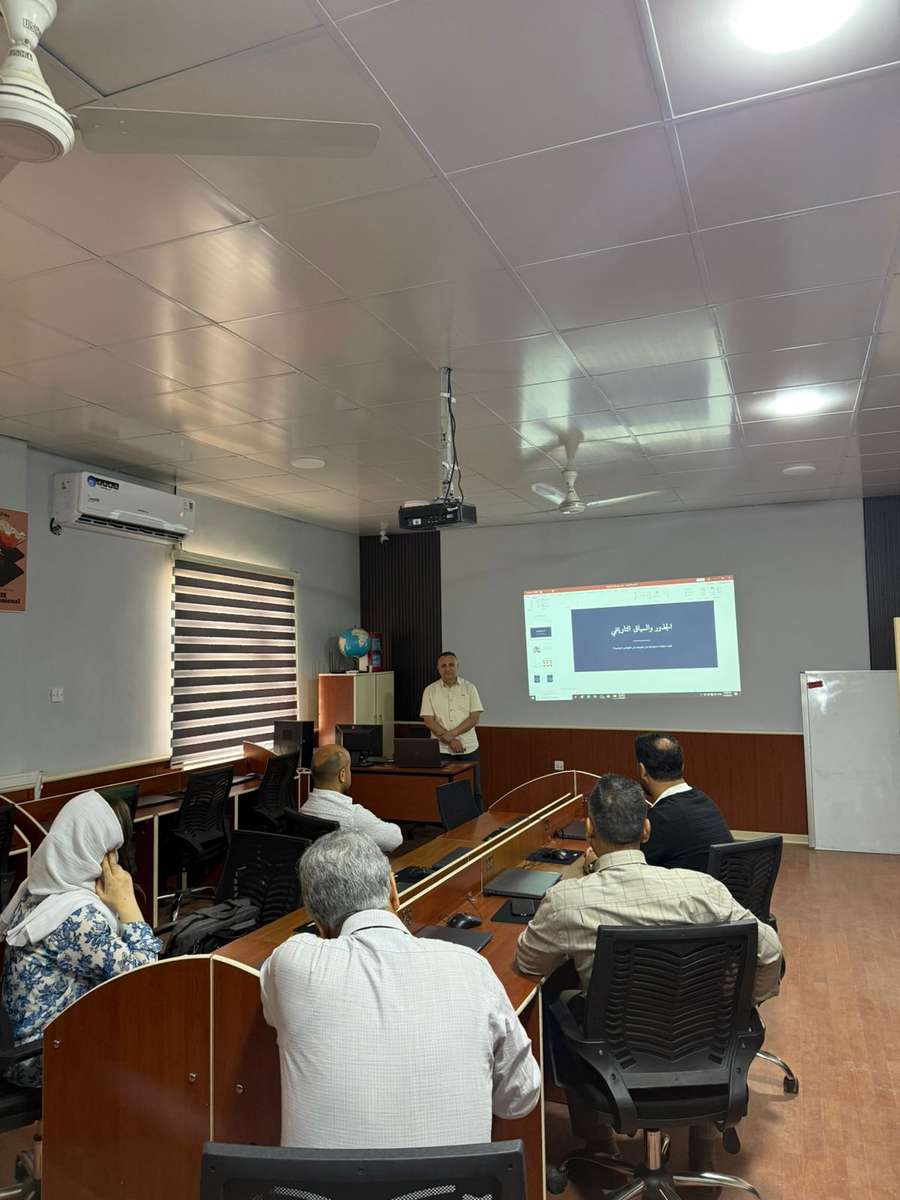

Tobler's First Law of Geography, formulated by the American-Swiss geographer and cartographer Waldo Tobler in 1970 during a study on the growth of Detroit, states that everything is related to everything else, but near things are more related than distant things, which emphasizes that geographic phenomena are not randomly distributed but instead follow a spatial pattern based closely on proximity and distance thereby serving as the cornerstone of spatial analysis and Geographic Information Systems. This law relies heavily on two fundamental concepts which are spatial autocorrelation, where similar values cluster together in space as a positive correlation, and distance decay, where distance acts as a form of friction or resistance that weakens interaction and connectivity the more it increases between two points. The practical applications of this law are clearly demonstrated in spatial interpolation methods used to predict values in unmeasured locations such as weather forecasting, air pollution mapping, and groundwater analysis, as well as in urban planning and public health including service distribution like building schools and hospitals in high population density zones, epidemic tracking, and analyzing consumer behavior and commercial attraction zones for cities and malls. Despite its foundational value, the law faces modern challenges in the internet and digital age due to concepts like the death of distance where geographic separation is no longer a barrier to the instant exchange of ideas and information, alongside modern time-distance and global economic concepts where the actual time spent traveling via rapid transportation like flights and instantaneous economic connectivity has become far more significant than actual physical kilometers separating locations.